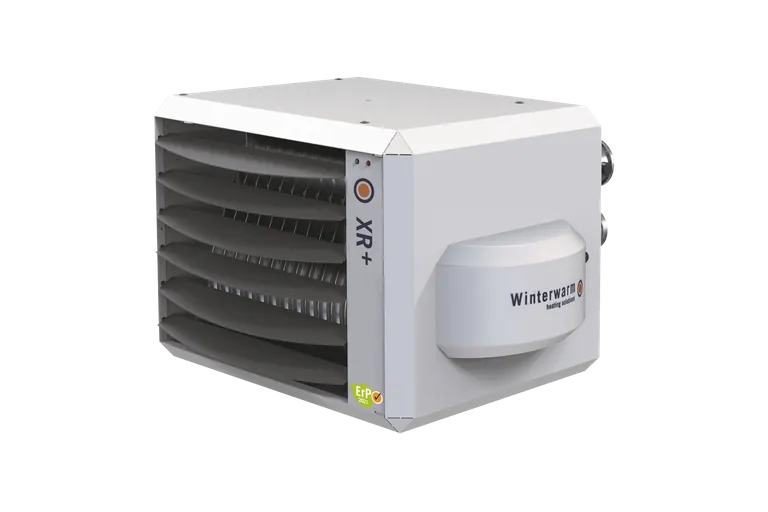
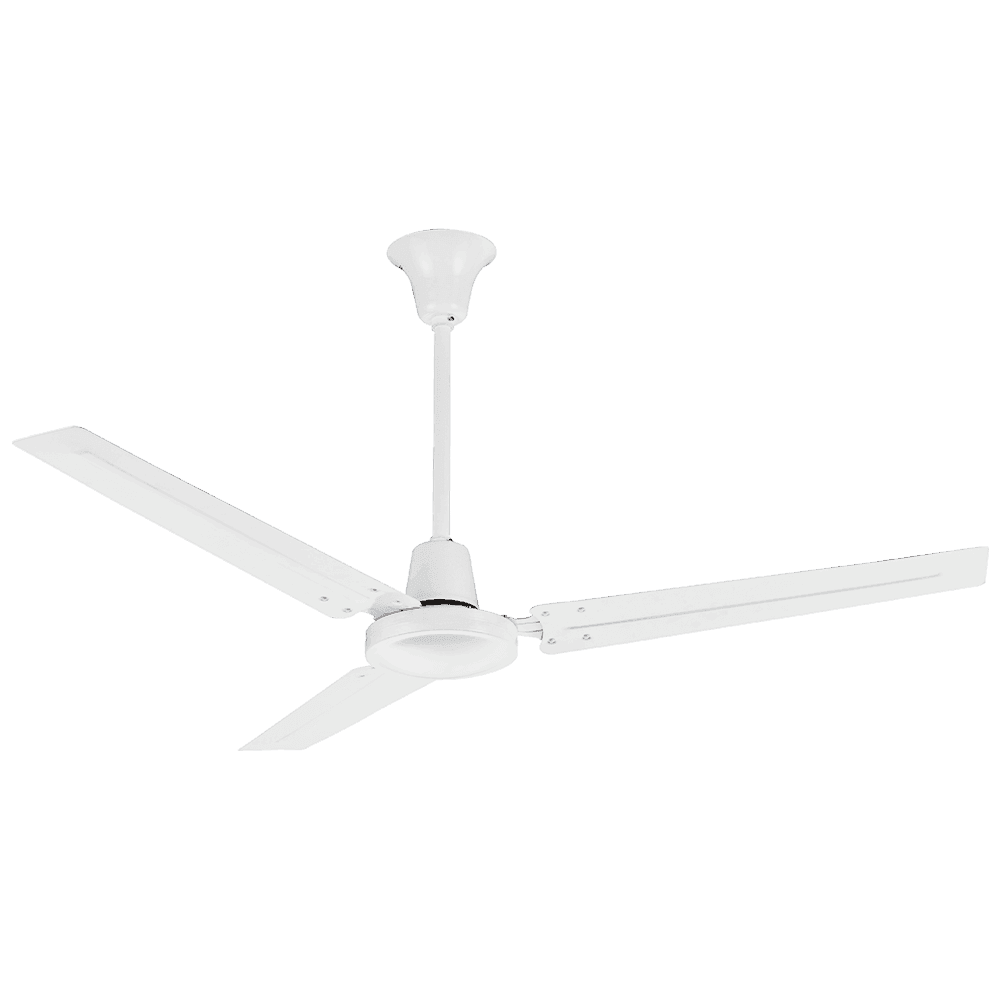
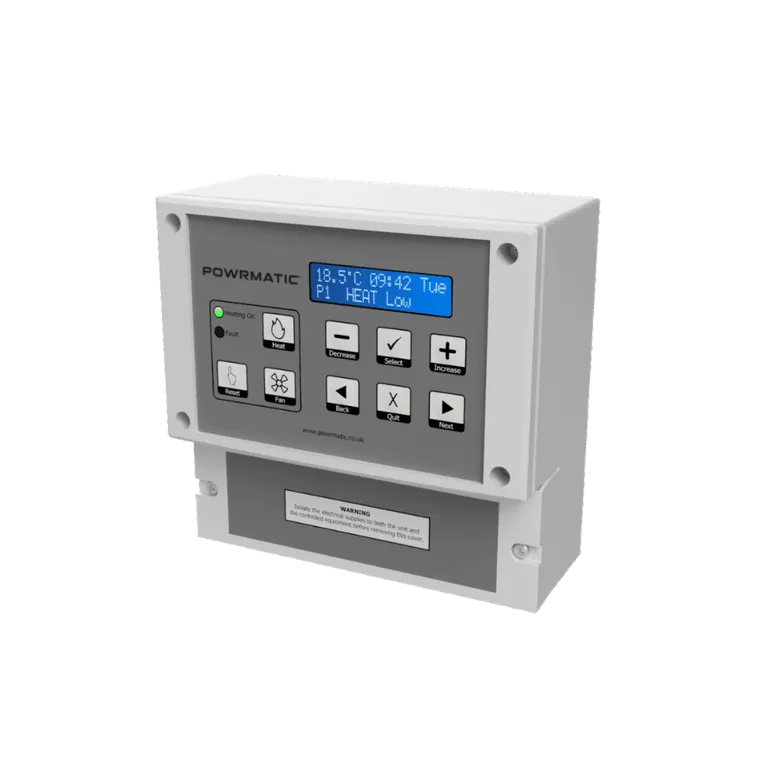
Warehouse heating that suits the way the space is used
High ceilings, open loading doors and busy working areas all affect how a warehouse feels. We can help you look at the space as well as the heater. Photos of the building and the equipment label are a useful first step.
- Replacement of ageing or unreliable commercial warm-air heaters.
- Heater position, air distribution, controls and access for maintenance.
- Gas or oil connections, flue arrangements and associated installation work.
- High-level access and separation of the work area from staff, stock and vehicles.
Real warehouse experience in Witney
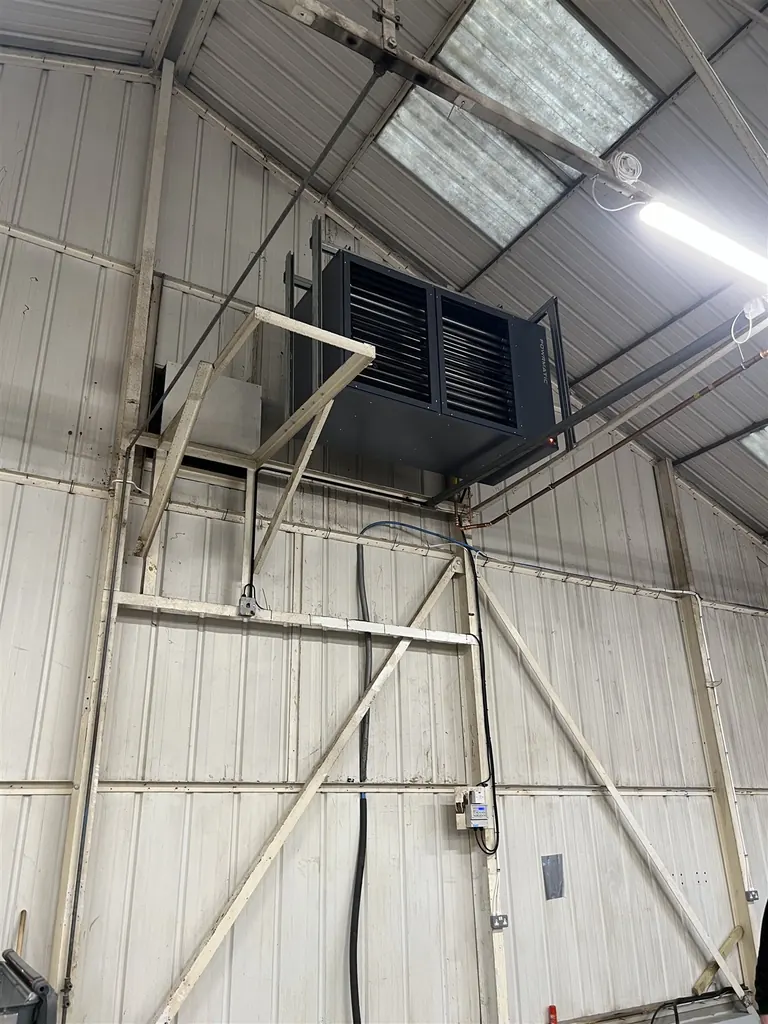
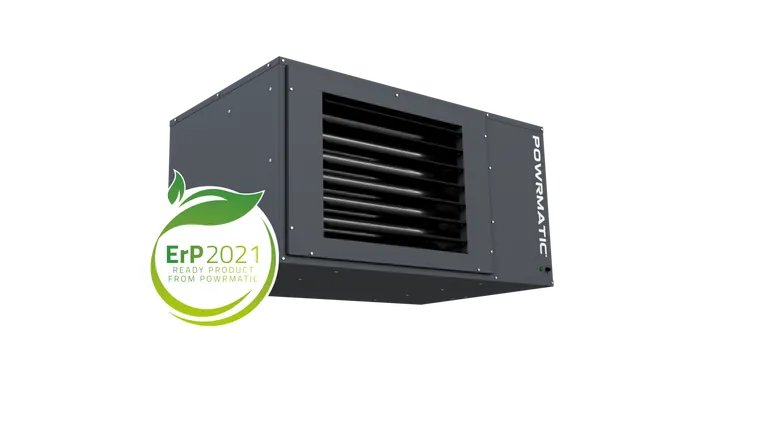
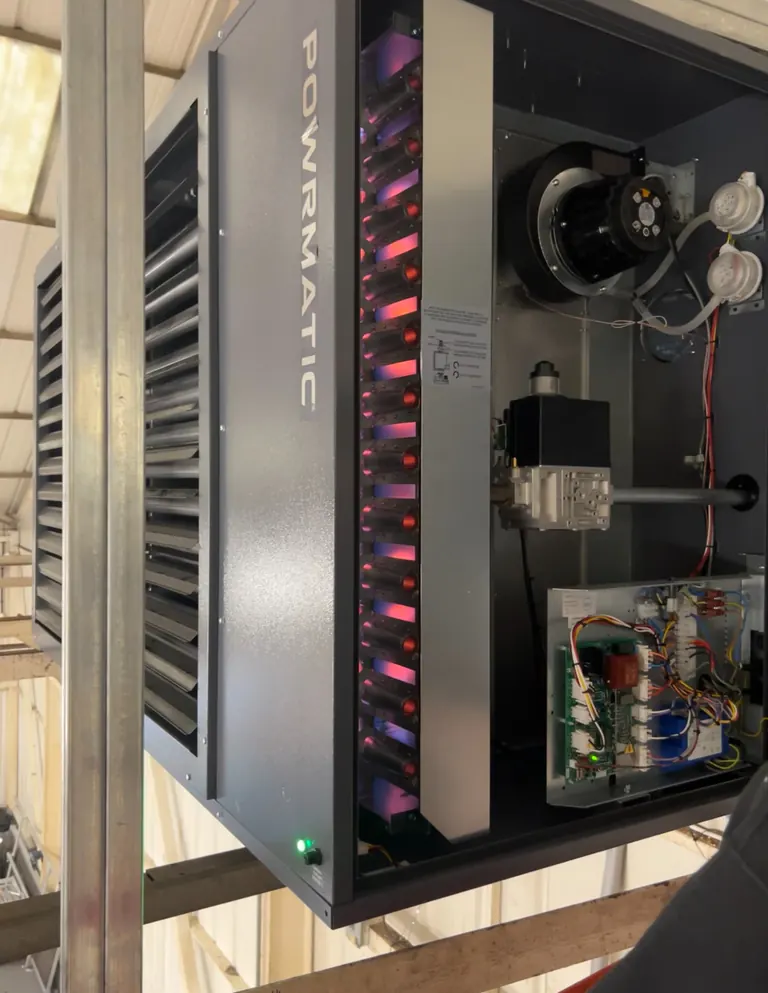
At MediaFleet, the Oxyplumb Commercial team replaced a warehouse heater with a Powrmatic LX 140F while vehicle-wrapping operations continued. The project explains the equipment, working environment and installation arrangements, with photographs of the completed work.
Before you arrange the work
Do you service existing warm-air heaters as well as replace them?
Yes, we can help with existing heaters as well as replacement work. Tell us what equipment you have and what needs attention. We will discuss the right visit and any access equipment needed to reach high-level heaters.
What should we send for a warehouse-heater replacement?
Include a photograph of the heater label, its position, the working area below and any available building dimensions. Loading-door use, occupied zones and high-level access help define the next assessment.
Are room fan convectors the same as gas-fired warm-air heaters?
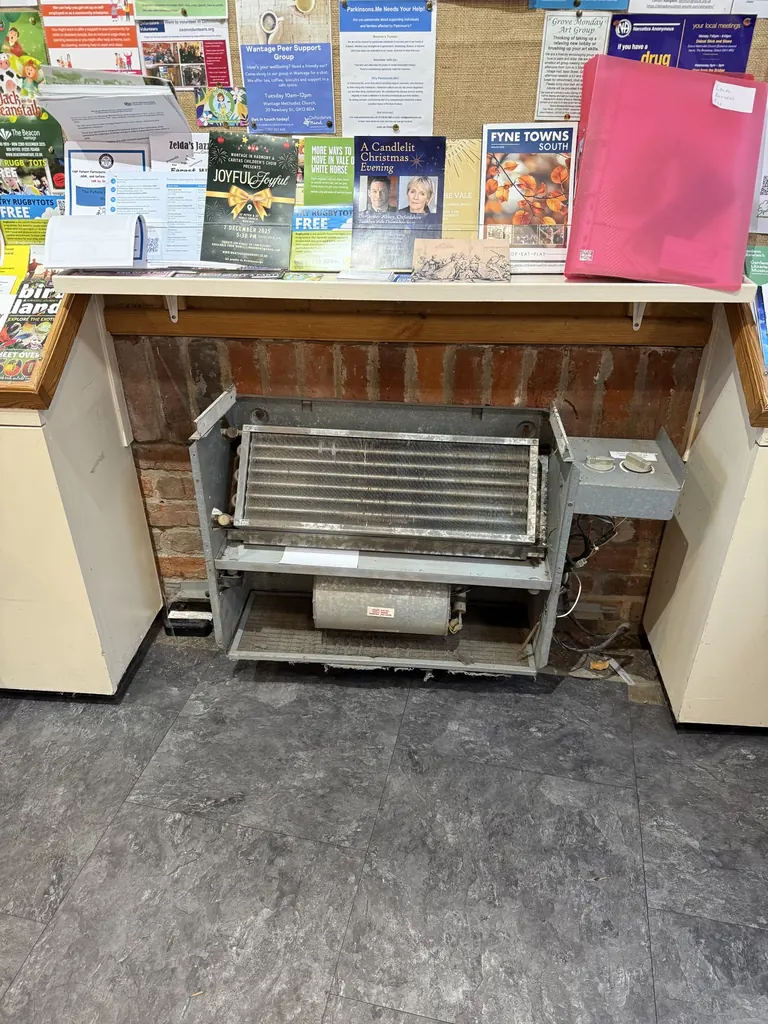
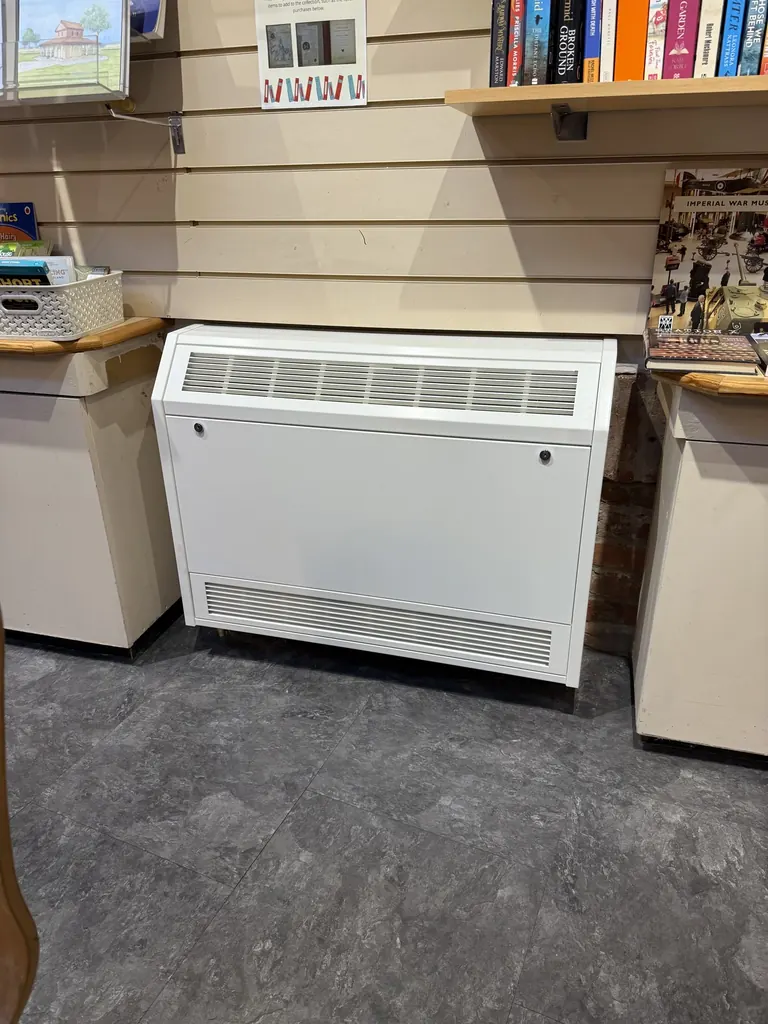
No. The room convectors replaced at Vale & Downland Museum use heating-water flow and return connections, a coil and a fan. Warehouse warm-air equipment is a different arrangement. Identify the appliance type when requesting work.
Related commercial projects
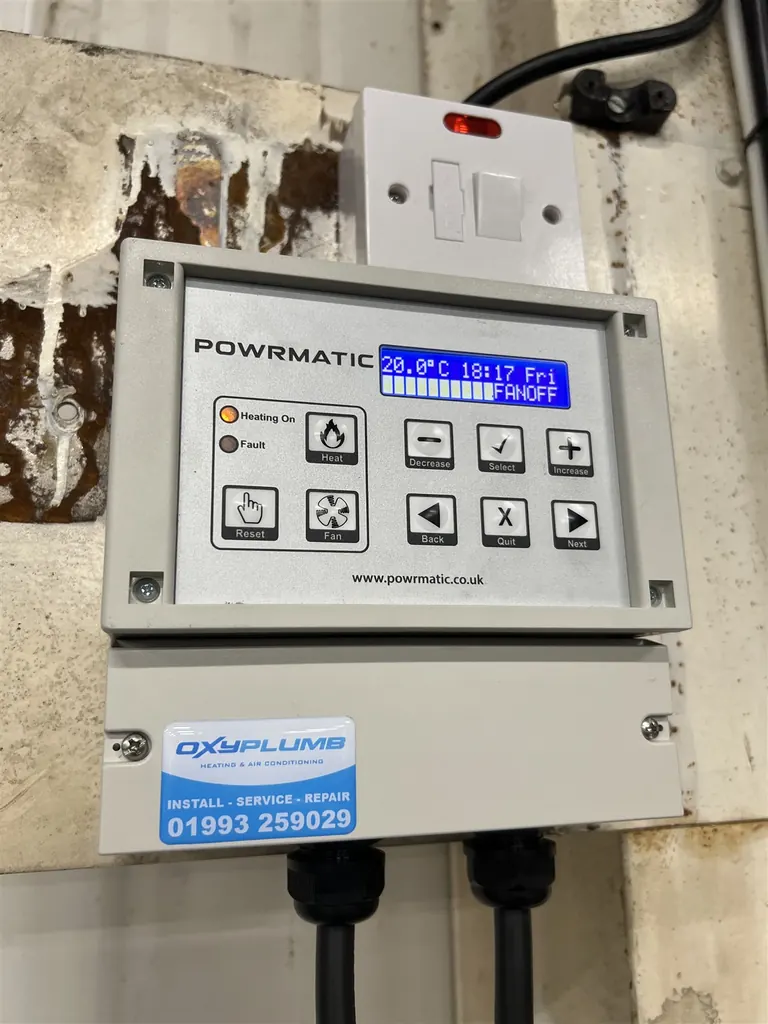
A Powrmatic LX 140F warehouse heater replacement planned around live vehicle-wrapping operations.
View the projectRelated support: Planned heating maintenance · Commercial heating repairs.
Discuss your site and equipment